Public-interest initiative2026

Established treatment, made easier to understand.

This project brings together research on the safety of 5-alpha reductase inhibitors and selected clinical outcomes in hair loss. The aim is practical: help more people understand the outcomes observed in selected cases while keeping potential benefits, risks, and uncertainty in view.

Why this exists

Useful information can disappear behind conflicting claims.

Finasteride and minoxidil have decades of clinical use, yet people often meet them through fragmented claims about efficacy and harm.

Our safety research asks how study design changes what appears to be a medication risk.

The safety work

We study depression and metabolic safety in large populations.

Prostate-treatment safety evidence · separate from hair-loss outcomes

01
Meta-analysis Postgraduate Medicine 2026

Depression risk of 5-alpha reductase inhibitors: impact of active-comparator versus non-drug user control groups on risk measurement

Participants2,517,859

With active-comparator control groups, finasteride and dutasteride were not associated with increased depression risk.

Postgrad Med. 2026;138(2):154–161. DOI 10.1080/00325481.2026.2633464 · PMID 41725117

02
Nationwide cohort Yonsei Medical Journal 2026

Risk of type 2 diabetes mellitus in new users of 5-alpha reductase inhibitors: a nationwide historical cohort study

Participants71,307

The study suggests that finasteride and dutasteride do not meaningfully increase type 2 diabetes risk in the South Korean population studied.

Yonsei Med J. 2026;67(4):368–376. DOI 10.3349/ymj.2025.0056 · PMID 41914321

03
Nationwide cohort Heliyon 2025

Risk of poor glycemic control in tamsulosin versus finasteride users with type 2 diabetes mellitus

Participants1,839

Compared with tamsulosin, finasteride did not appear to increase the risk of poor glycemic control in patients with type 2 diabetes.

Heliyon. 2025;11(3):e41768. DOI 10.1016/j.heliyon.2025.e41768 · PMID 39944326

Selected outcomes

Individual change, shown plainly.

Selected cases · not a response rate

Group A · 4 cases

Androgenetic alopecia

Pattern hair loss, including male-pattern and female-pattern presentations.

HLS-002

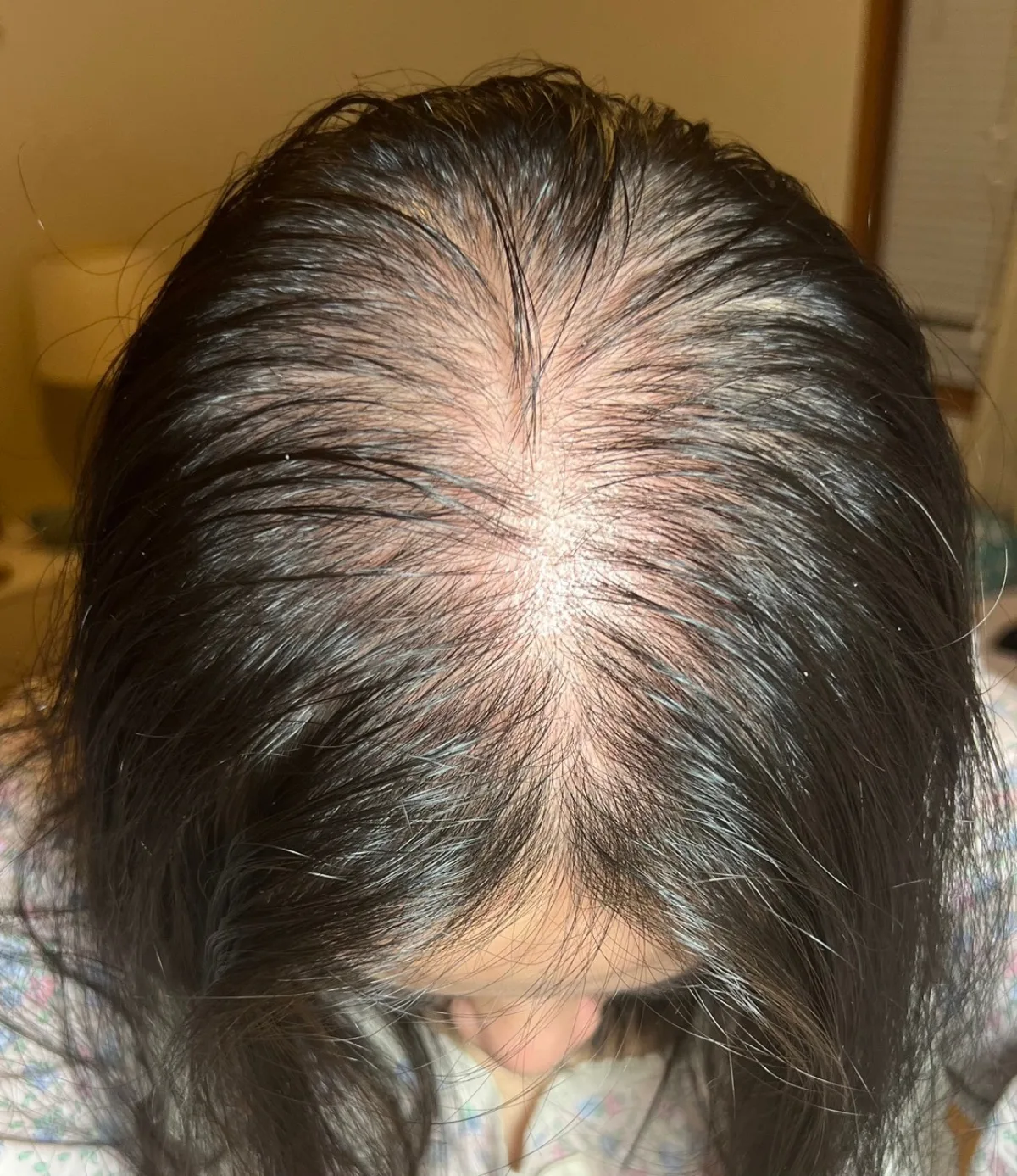
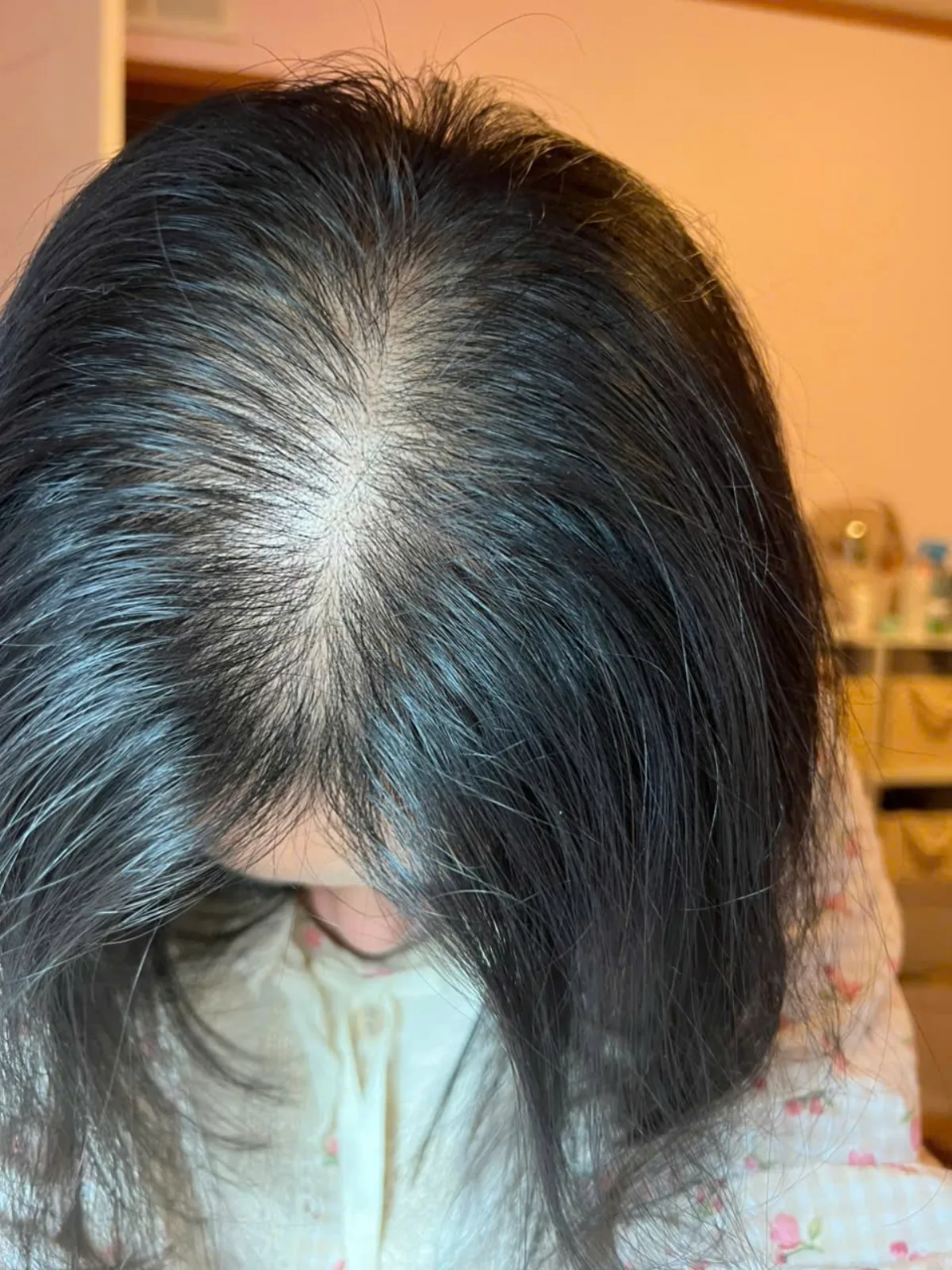
Female-pattern hair loss

Apr → Dec 2024

April 2024Central part
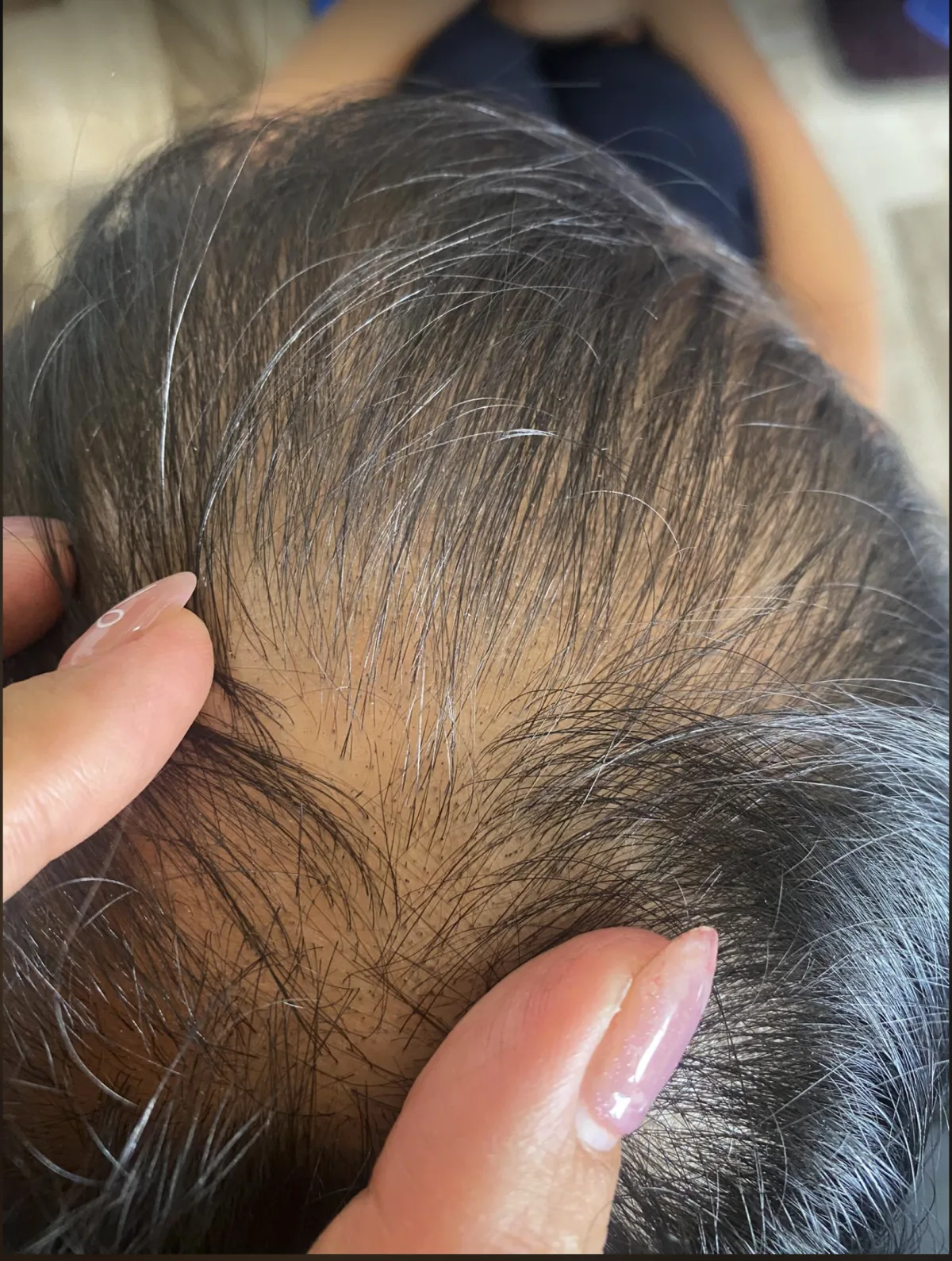
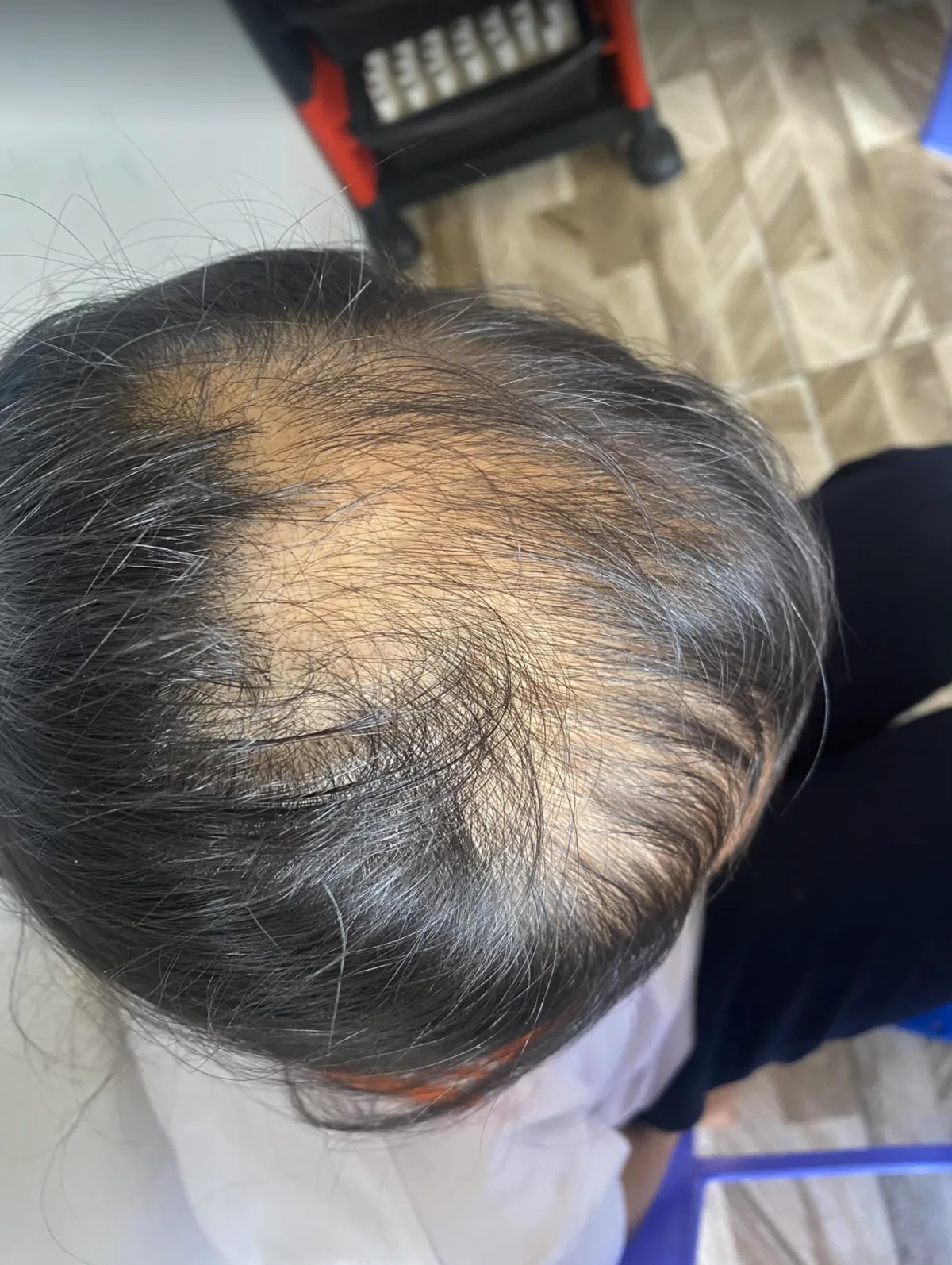
April 2024 central part view for case HLS-002
December 2024Central part
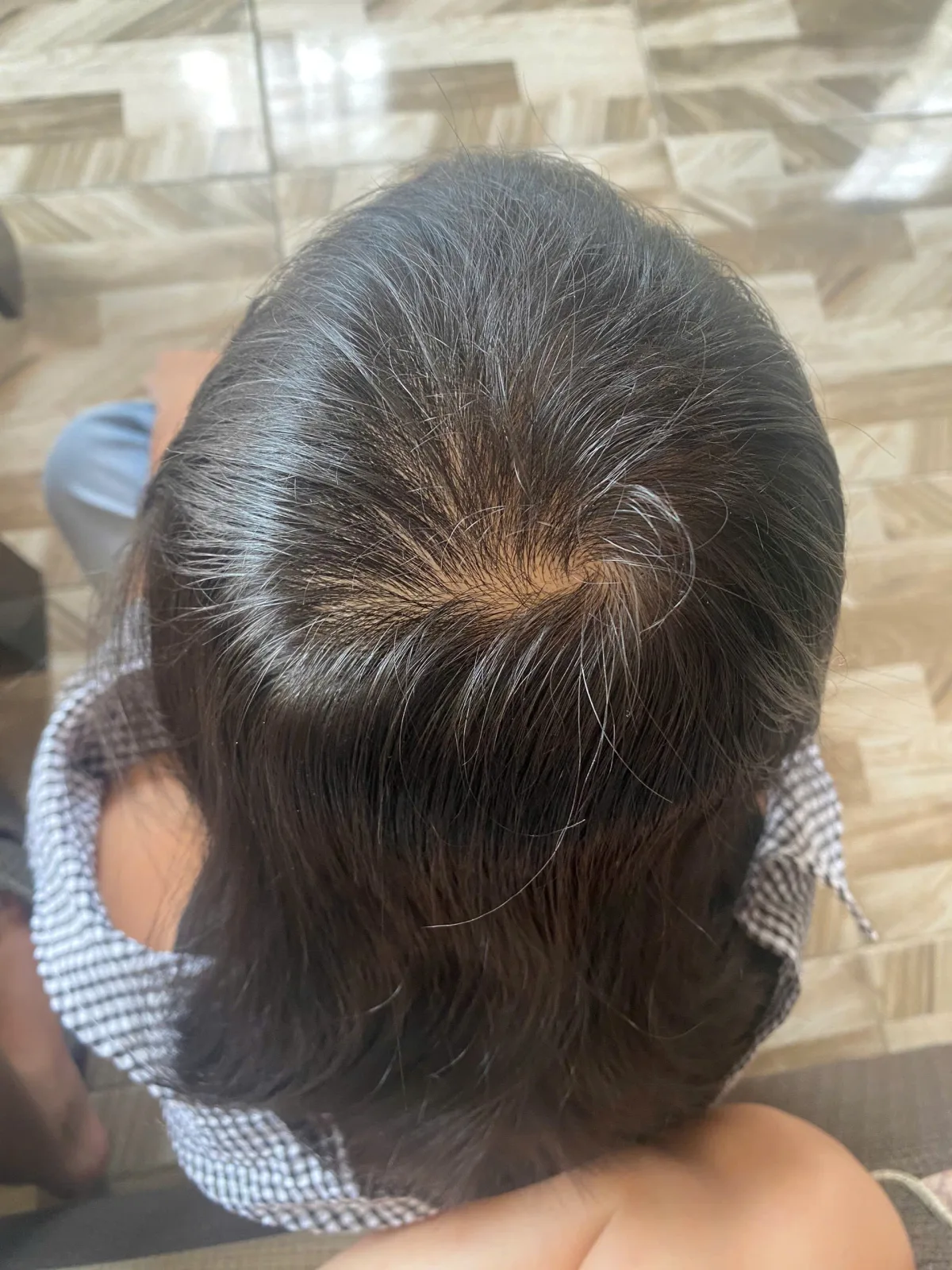
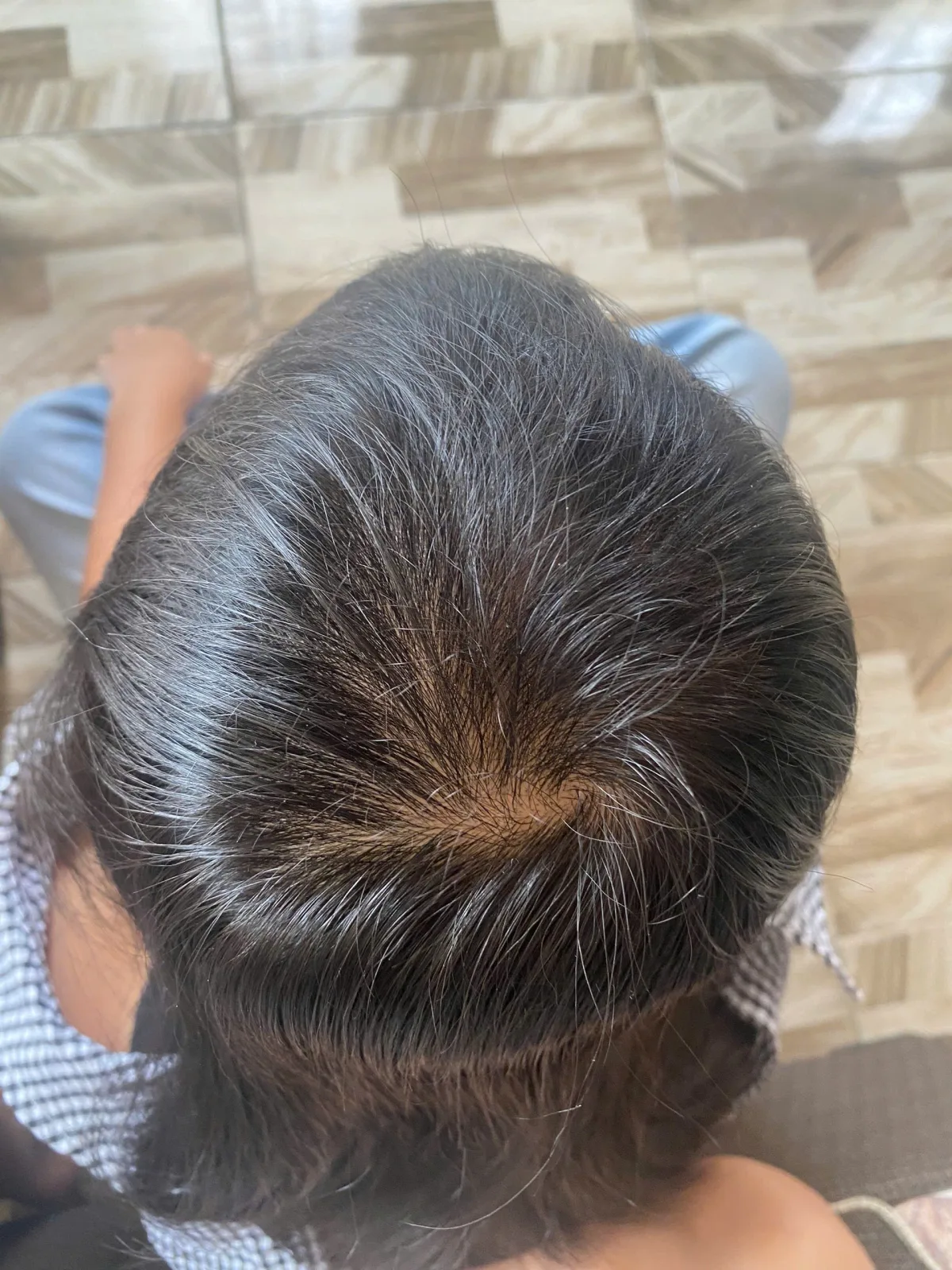
December 2024 central part view for case HLS-002

From April to December 2024, the central part becomes visibly narrower, with greater scalp coverage in the follow-up photograph.

HLS-001

Male-pattern hair loss

Selected follow-up

BaselineVertex + mid-scalp
Baseline crown view for case HLS-001 Baseline vertex view for case HLS-001
Selected final follow-upVertex + mid-scalp
Selected final crown view for case HLS-001 Selected final vertex view for case HLS-001

At the selected final follow-up, the photographs show greater visible density across the vertex and mid-scalp.

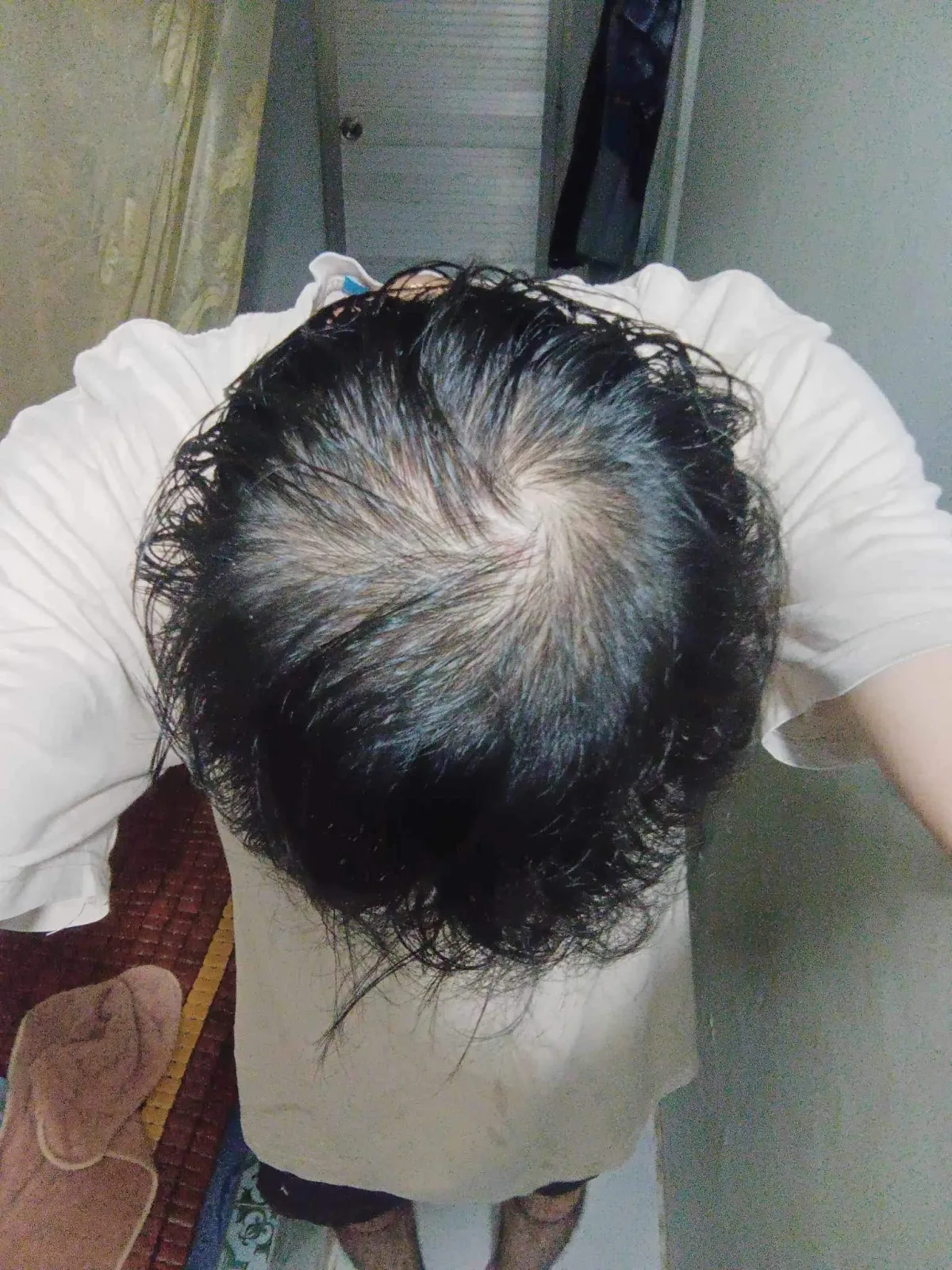
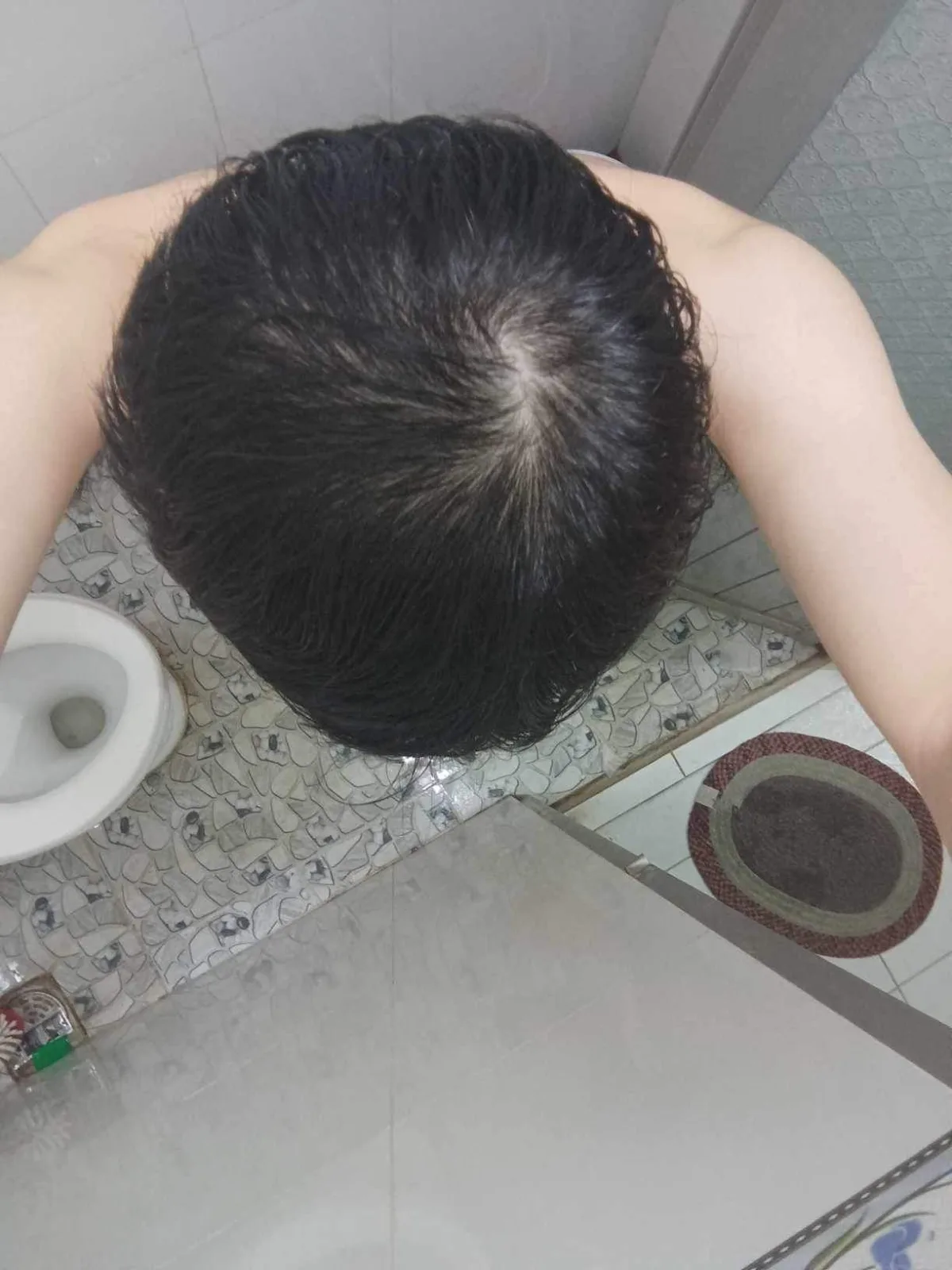
Baseline and follow-up were photographed in different settings.

HLS-003

Male-pattern hair loss · age 17

May → Dec 2024

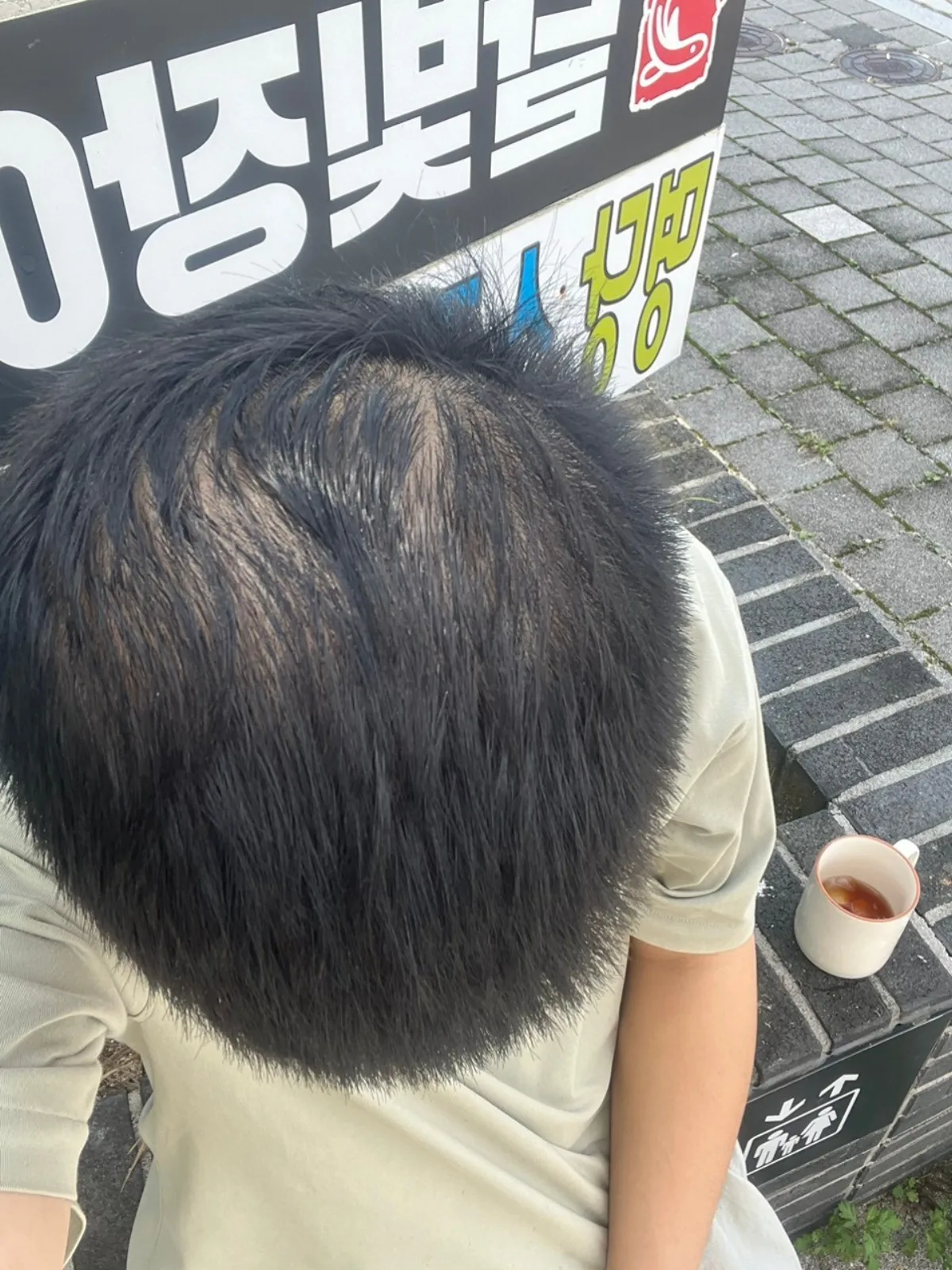
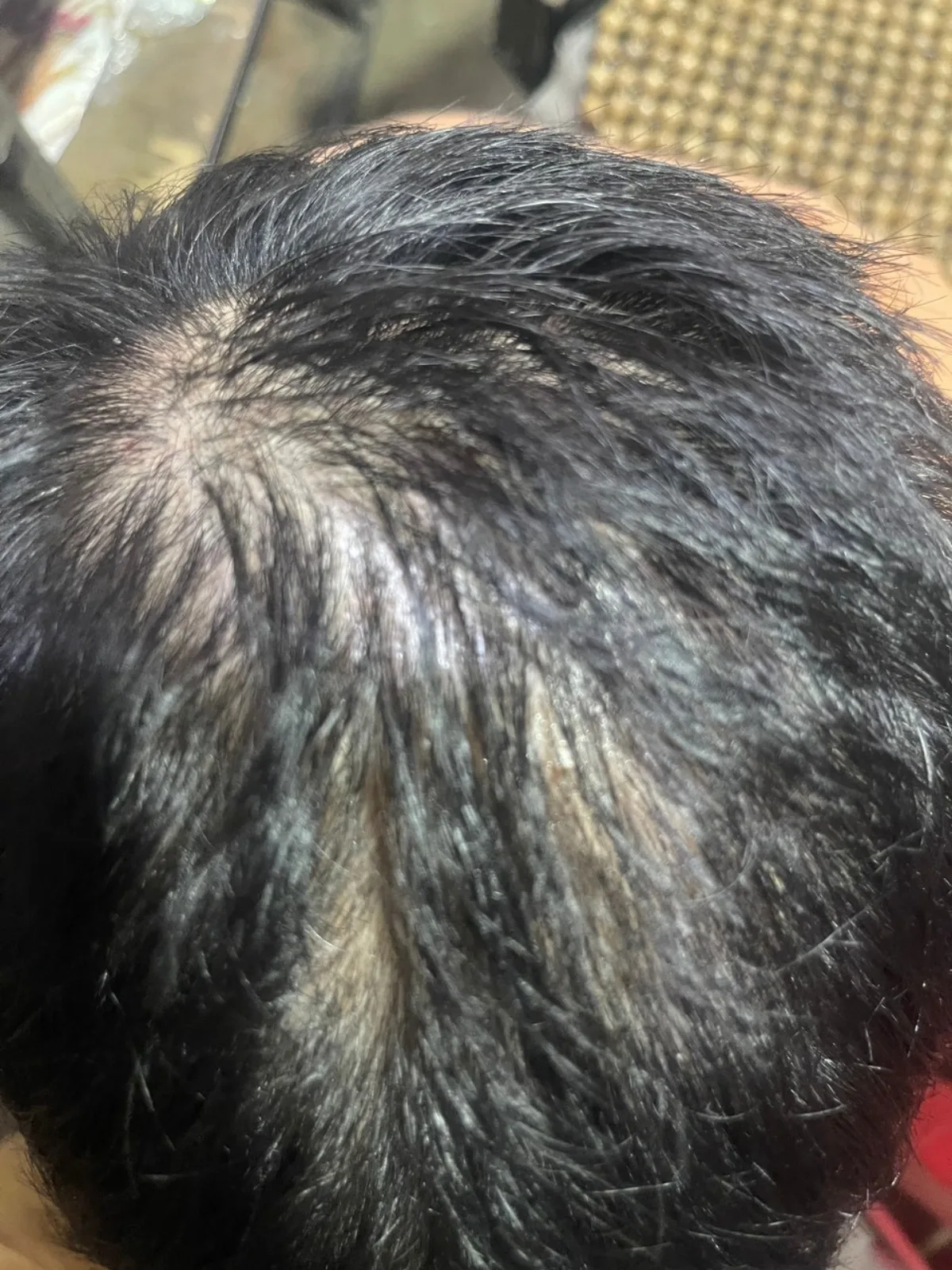
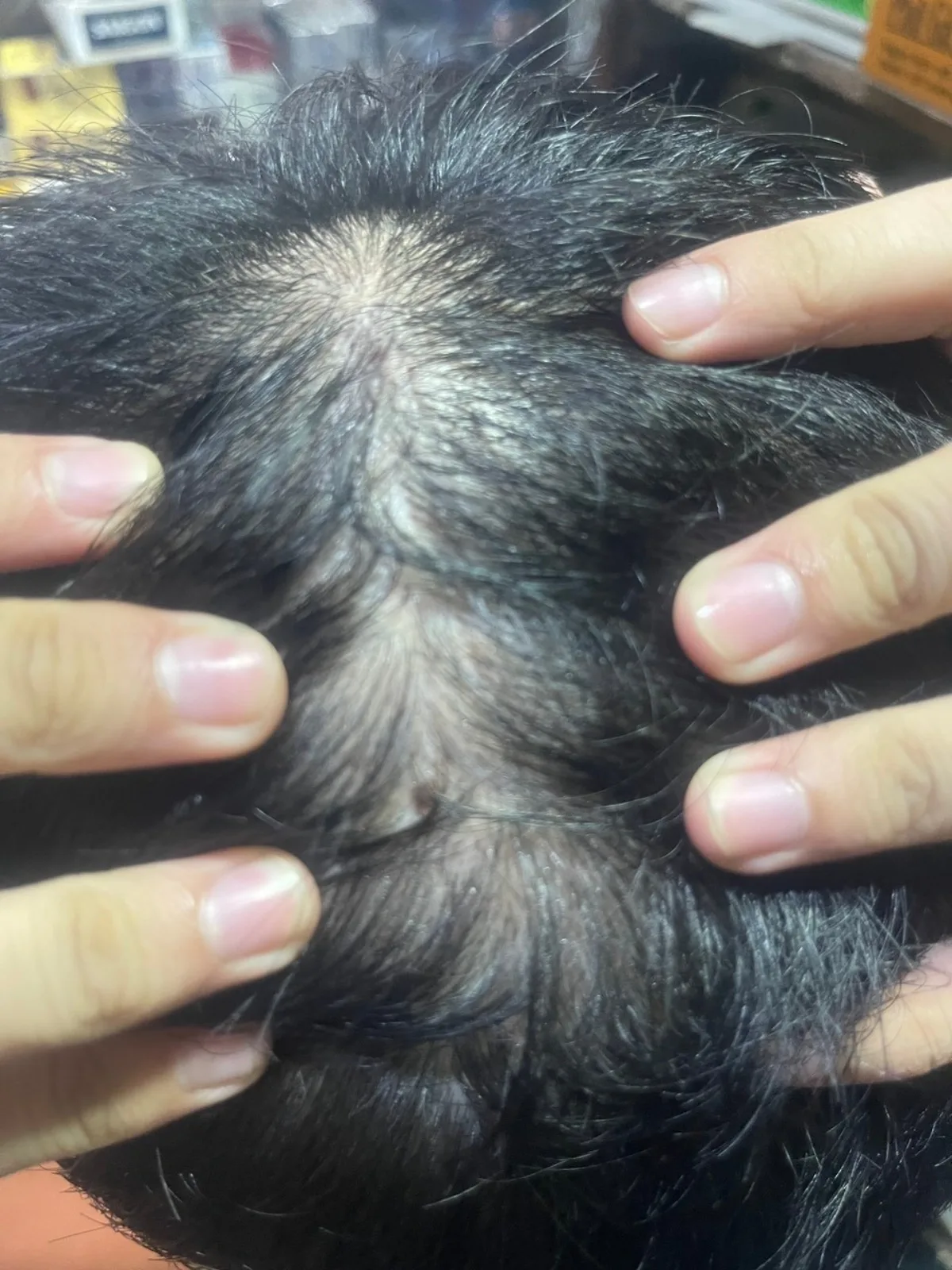
May 2024Crown + central scalp
May 2024 crown view for case HLS-003 May 2024 central scalp view for case HLS-003
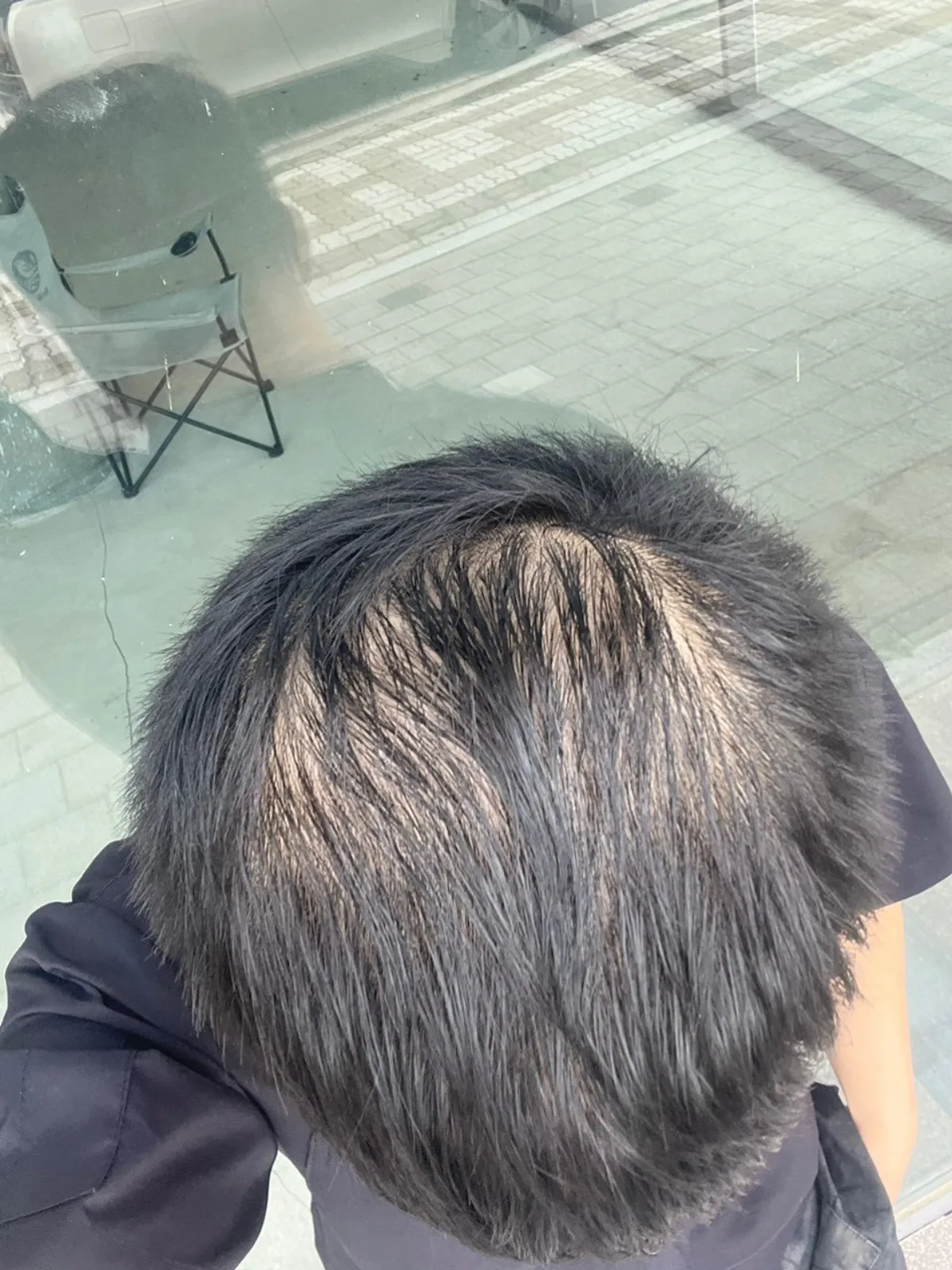
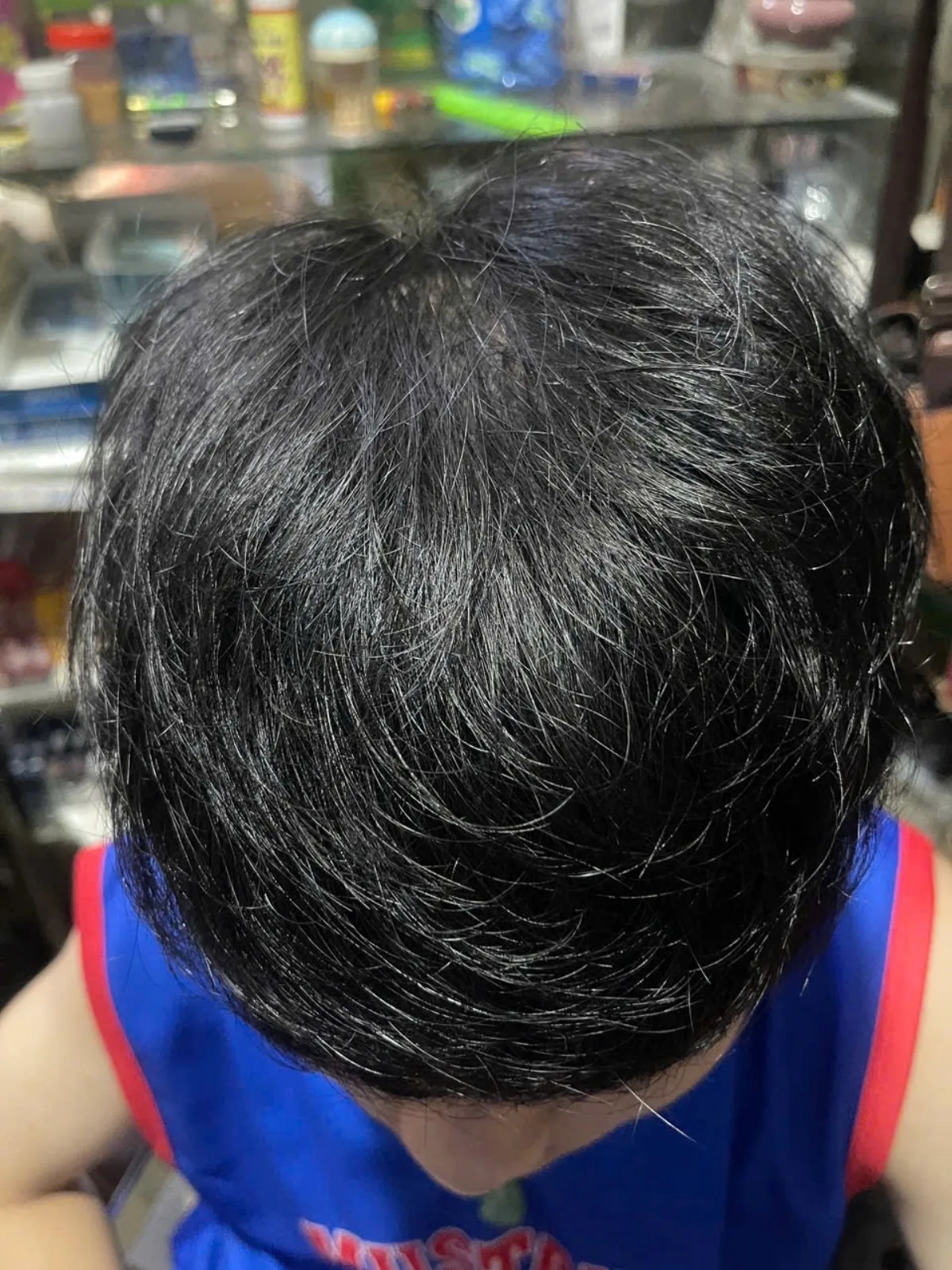
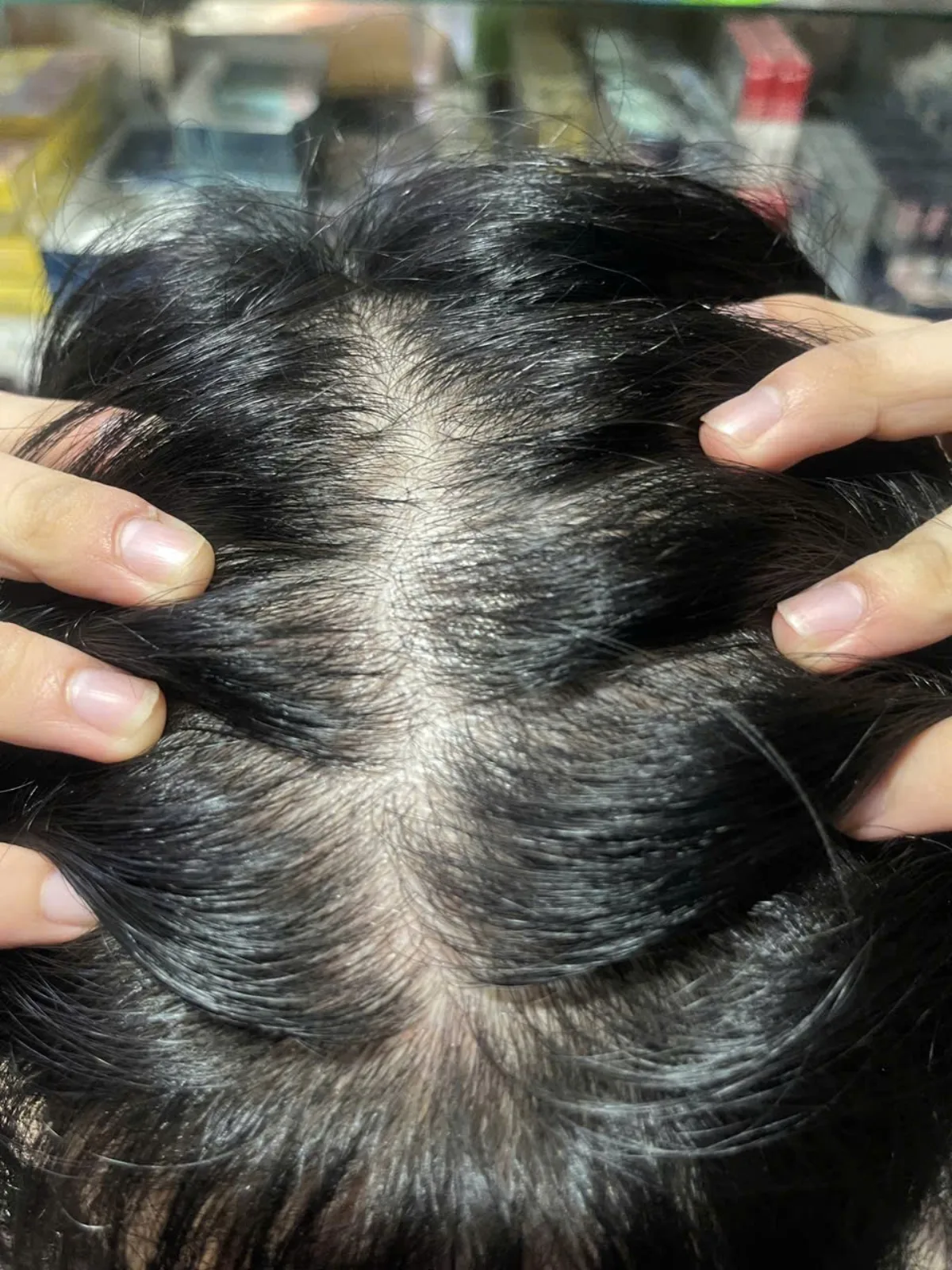
December 2024Crown + central scalp
December 2024 crown view for case HLS-003 December 2024 central scalp view for case HLS-003

Treated with minoxidil alone. From May to December 2024, the follow-up photographs show greater visible coverage along the central scalp.

Hair positioning differs between visits.

Group B · 2 cases

Alopecia areata

Autoimmune hair loss, including patchy disease and alopecia totalis.

HLS-008

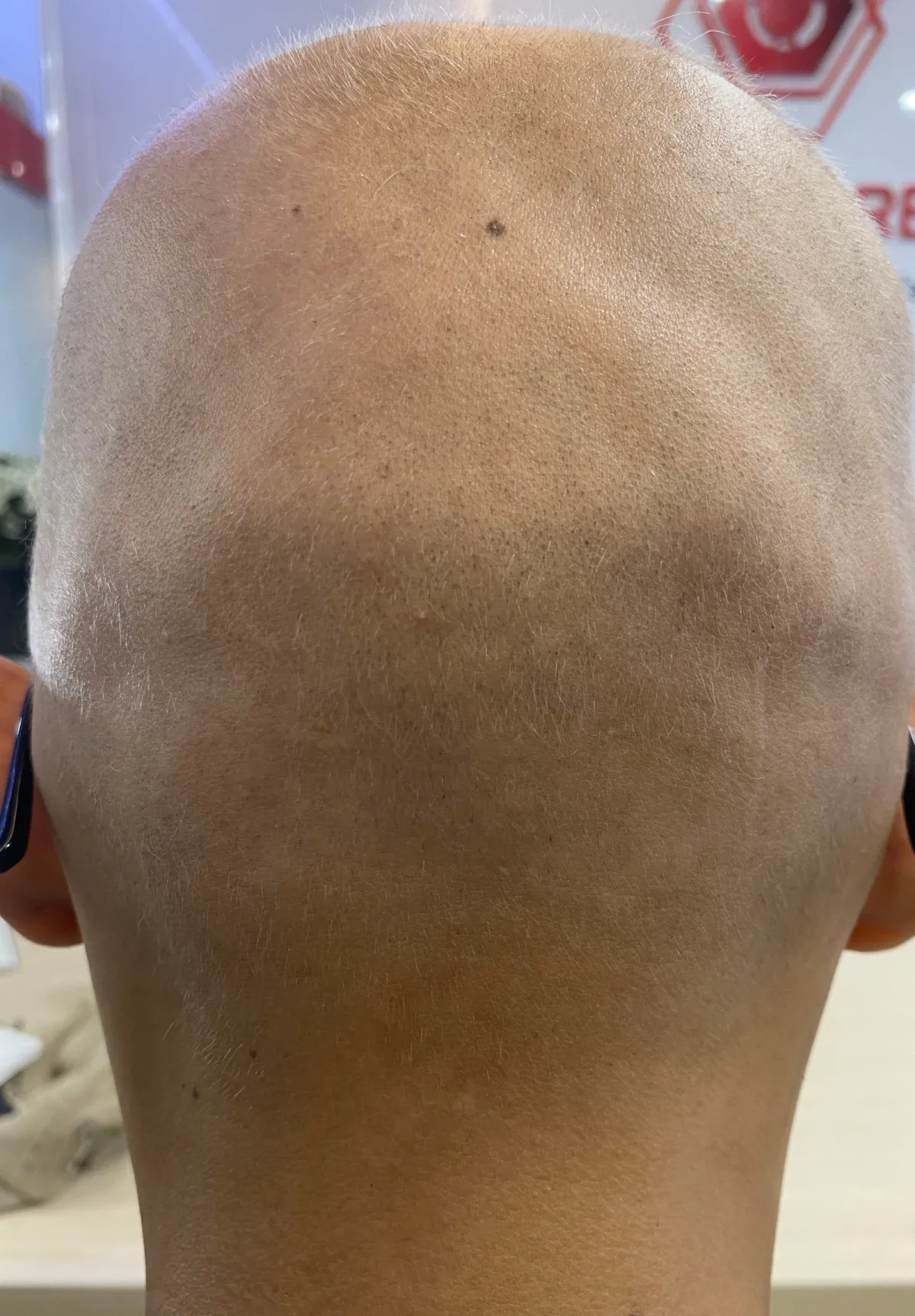
Alopecia areata

Approx. 2 months

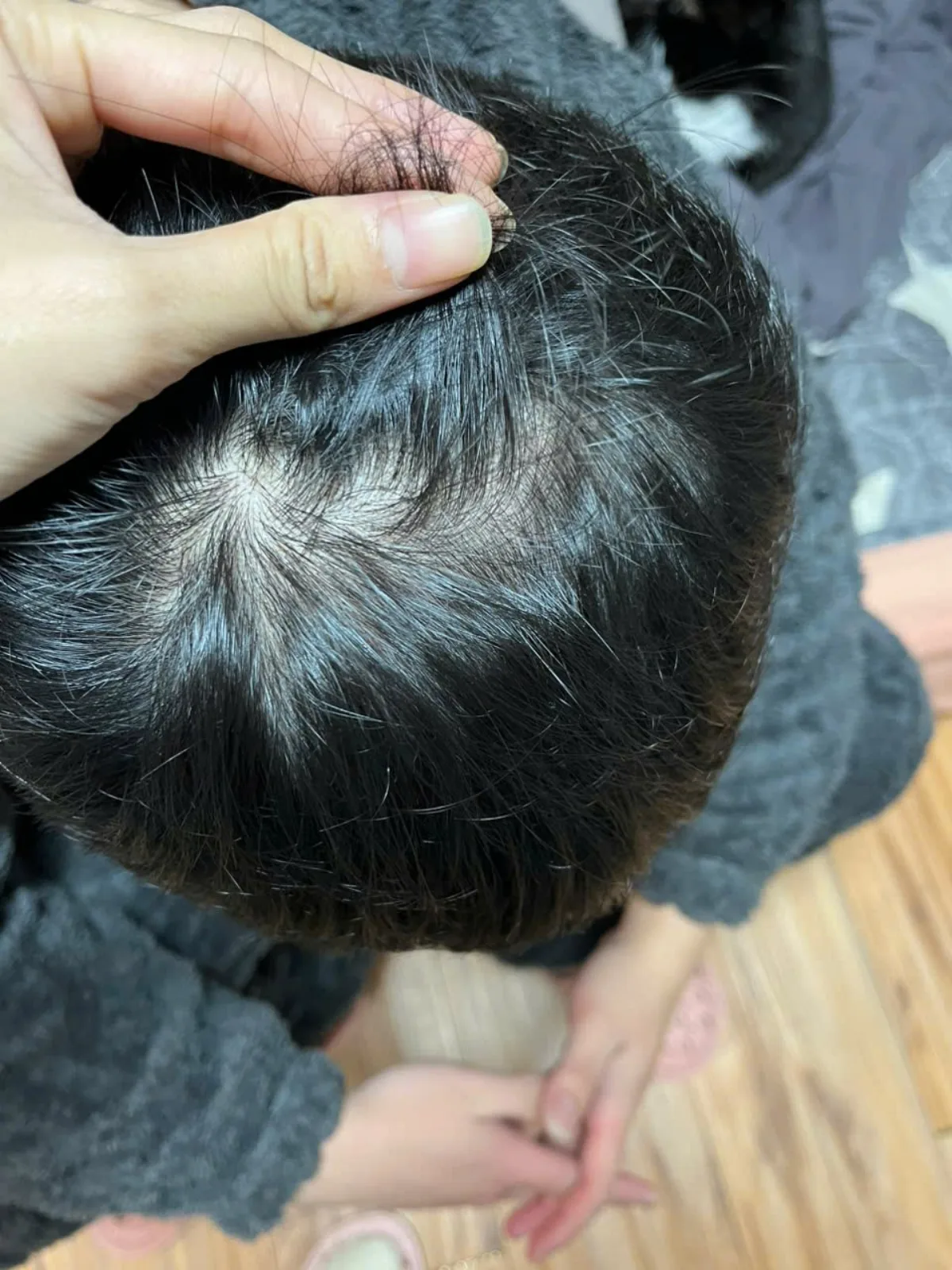
April 2025Crown + central scalp
April 2025 crown view for case HLS-008 April 2025 central scalp view for case HLS-008
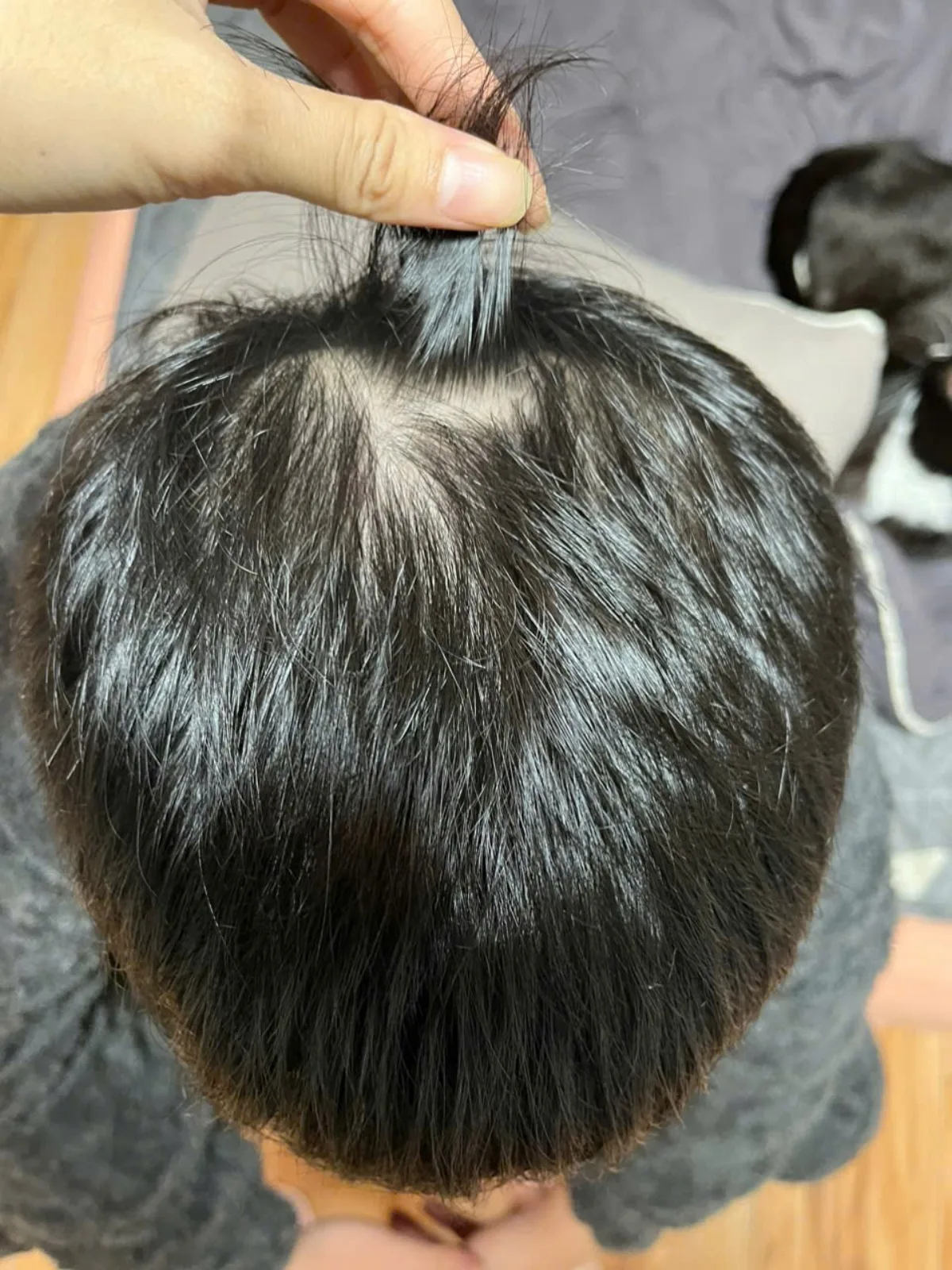
June 2025Crown + central scalp
June 2025 crown view for case HLS-008 June 2025 central scalp view for case HLS-008

Over approximately two months, from April to June 2025, the follow-up photographs show greater visible coverage across the crown and central scalp.

HLS-004

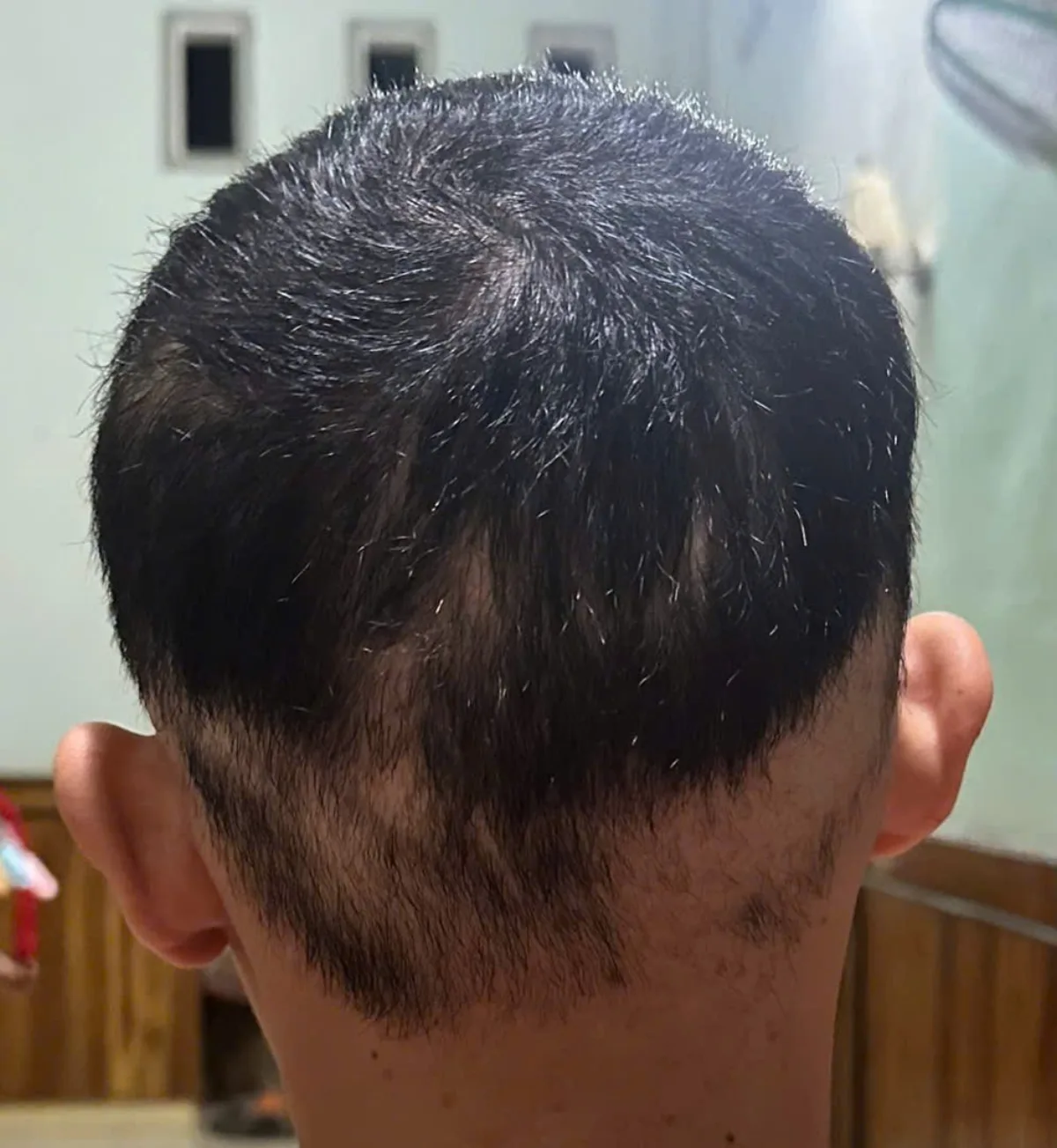
Alopecia totalis

Selected follow-up

BaselinePosterior scalp
Baseline posterior scalp view for case HLS-004
Selected follow-upPosterior scalp
Selected follow-up posterior scalp view for case HLS-004

At the selected follow-up, the photographs show extensive scalp-hair coverage compared with baseline.

How to read this page

Different evidence answers different questions.

01

Publications

Cohort studies and meta-analysis estimate associations in defined populations. Their design, comparator, and uncertainty determine how far the findings travel.

02

Selected outcomes

Case photographs document what happened to particular people. They illustrate possible change and provide no population response rate.

03

Clinical decisions

Diagnosis, contraindications, monitoring, and personal priorities remain central. Decisions about treatment should be made with a qualified clinician.

What comes next

A practical treatment guide is in development.

The next phase will translate the evidence into an accessible framework for treatment, monitoring, safety, and conversations with clinicians. It will be added after clinical review.